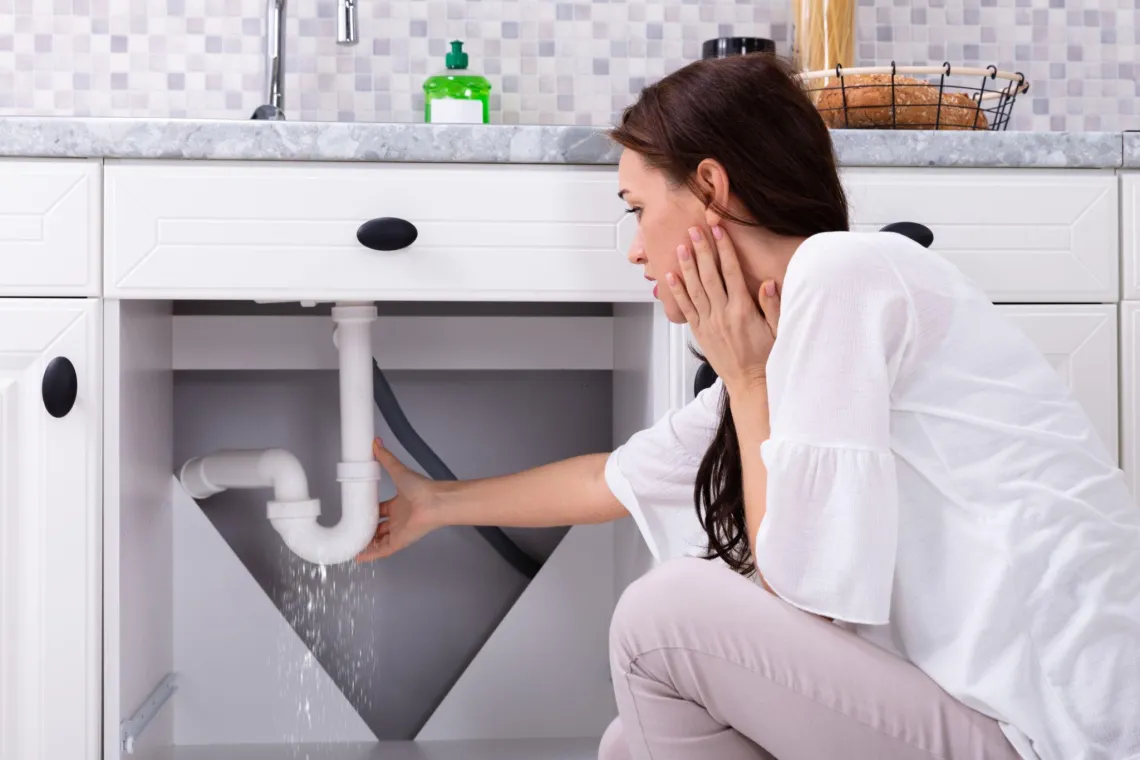

When something goes wrong in your home, it can be difficult to know whether it needs immediate attention or whether it can safely wait until normal working hours.
Is a dripping tap an emergency? What about no hot water? Does a broken window need to be dealt with straight away?
The answer depends on the level of risk. While every repair is important, some issues present an immediate danger to people, the property, or the security of the home. These are the repairs that need to be prioritised.
Whether you rent through 1Let or another letting agent, understanding what counts as an emergency repair can help you get the right assistance as quickly as possible.
What Is an Emergency Repair?
An emergency repair is generally one that:
- Presents an immediate risk to health or safety.
- Leaves the property insecure.
- Risks significant damage to the property if not dealt with quickly.
- Makes the property unsafe or uninhabitable.
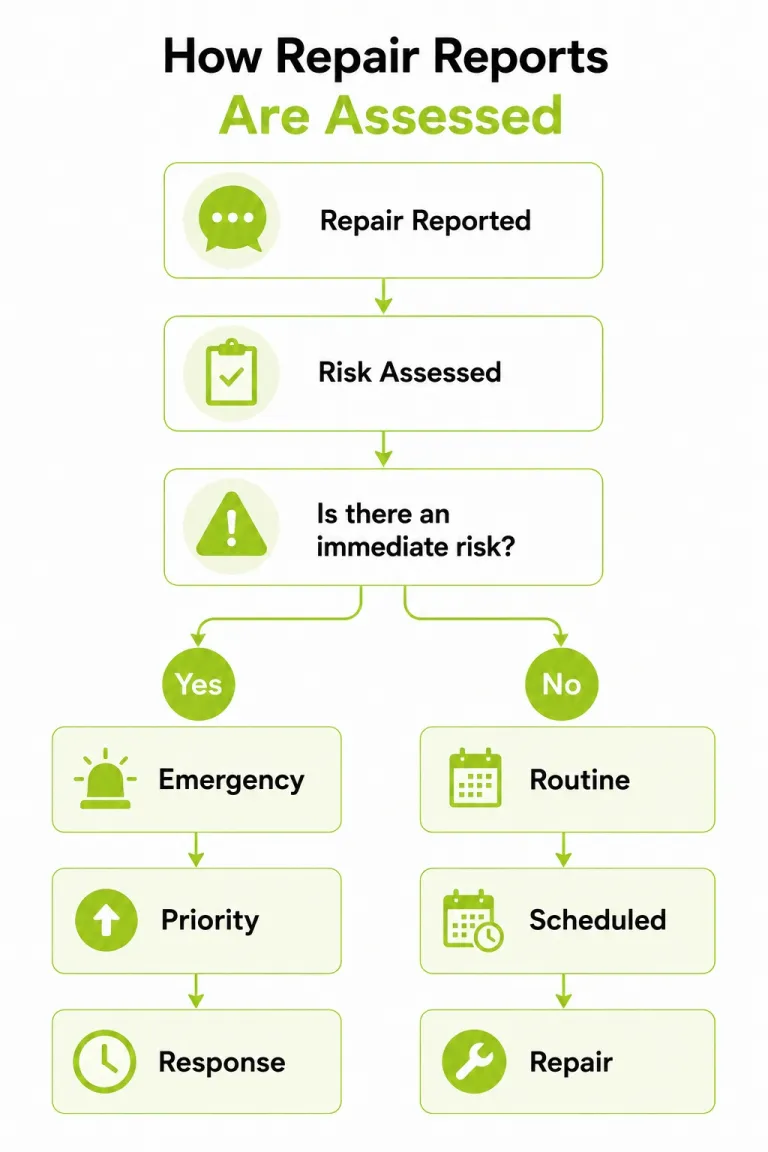
When a repair is reported, it is normally assessed based on the circumstances, the information provided, and the level of risk. This helps ensure that the most urgent issues are prioritised while other repairs can be arranged appropriately.
If You Smell Gas or Your Carbon Monoxide Alarm Sounds
If you smell gas or your carbon monoxide (CO) alarm is sounding, your first call should never be to your landlord or letting agent.
Instead, call the National Gas Emergency Service immediately on 0800 111 999. The service is free, available 24 hours a day, and will send an emergency gas engineer to make the situation safe.
While waiting for help:
- Open doors and windows to ventilate the property.
- Do not smoke or use naked flames.
- Do not turn electrical switches or appliances on or off, as this could create a spark.
- If it is safe to do so, and you know how to, turn off the gas supply at the meter.
Once the immediate danger has been dealt with, you should then let your landlord or letting agent know so they can assist with any follow-up repairs if required.
Examples of Emergency Repairs
While every situation is different, emergency repairs often include:
- Burning smells, sparking electrics or dangerous electrical faults.
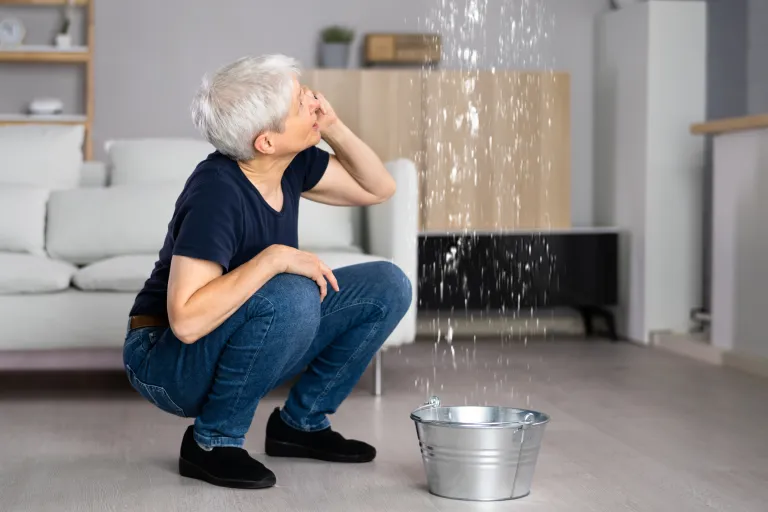
- A major water leak that cannot be contained without turning off the water supply.
- No electricity or water supply to the property (after checking that neighbouring properties are not also affected).
- No working toilet in the property.
- No heating or hot water, after carrying out basic checks such as checking the circuit breaker, boiler pressure or isolator switch.
- Broken external doors or windows that leave the property insecure.
- Flooding, storm damage or significant structural damage.
- Sewage or septic tank issues.
- Being locked out of the property or unable to gain access.
If an issue presents an immediate risk to people or the property, it should be reported as soon as possible.
Repairs That Aren't Usually Emergencies
Some repairs can be inconvenient or frustrating, but they don't normally require an emergency response.
Examples include:
- A dripping tap.
- A blocked sink that is still partially draining.
- Minor mould or condensation.
- An appliance fault where suitable alternatives are available.
- Cosmetic damage.
- Loose cupboard doors or handles.
- Small plaster cracks.
These repairs should still be reported promptly so that appropriate investigations or repairs can be arranged.
Why Aren't All Repairs Treated as Emergencies?
It's understandable that any problem in your home can feel urgent, particularly if it's affecting your daily routine.
However, emergency repairs are prioritised because they involve an immediate risk to people, property or security. If every repair were treated as an emergency, it could delay the response to situations such as burst pipes, dangerous electrical faults or flooding.
Prioritising genuine emergencies helps ensure that the people who need urgent assistance receive it as quickly as possible.
What Should I Do If I'm Unsure?
If you're unsure whether a repair is an emergency, don't worry.
Report the issue with as much information as possible, including photographs if appropriate, and explain what you're experiencing. Your landlord or letting agent will assess the situation and advise on the most appropriate next steps.
It's always better to ask than to ignore a problem that could become more serious over time.

How 1Let Handles Emergency Repairs
At 1Let, every repair report is assessed individually based on the information provided and any immediate risk to people or the property.
Where an emergency response is required, we'll prioritise attendance as quickly as reasonably possible. If a repair isn't considered an emergency, we'll still arrange the appropriate next steps and keep you informed throughout the process.
If an emergency occurs outside our normal office hours, our out-of-hours emergency service is available for genuine emergencies that cannot safely wait until the next working day. Please be aware that if an emergency contractor attends and it is determined that the issue was not a genuine emergency, or could reasonably have waited until normal working hours, the contractor's call-out charge may be passed on to you.
Our Commitment
Everyone deserves to feel safe and secure in their home.
Whether a repair requires an emergency response or a routine appointment, our aim is always the same: to respond appropriately, communicate clearly, and work towards resolving the issue as quickly as possible.
If you'd like to learn more about how we manage repairs, you may also find our guide "What Happens When You Report Damp or Mould to 1Let?" helpful. Although it focuses on damp and mould, it explains how we assess reports, investigate issues and keep tenants updated throughout the process.