

Your deposit is your money. It's only fair that you want to know what happens to it when you move out.
Moving out is stressful enough without having to worry about your deposit too. That's why it's worth knowing what happens before you hand back the keys.
Will you get it all back? What happens if something needs repaired? What's fair wear and tear? What if you don't agree with a deduction?
Here's what happens.
What is a tenancy deposit?
SafeDeposits Scotland describes a tenancy deposit as “a sum of money paid as security to guarantee a tenant's obligations under a lease.”
Put simply, it's there to cover certain costs you're responsible for as a tenant, such as unpaid rent, damage or cleaning costs, depending on the circumstances.
Your deposit is there as security for the tenancy. It isn't money the landlord can simply keep.
If there's nothing to pay from it at the end of your tenancy, you should get it back. If we believe something is your responsibility, we'll explain what we've found and give you the opportunity to respond.
Where is my deposit held?
In Scotland, tenancy deposits must be protected through a government-approved tenancy deposit scheme. At 1Let, we use SafeDeposits Scotland.
We don't hold your deposit ourselves. It's protected through the scheme, which also provides a process for resolving disagreements about deductions.
You'll receive confirmation when your deposit has been registered. If you've lost your SafeDeposits Scotland details, you can contact the scheme directly for help.

What happens when you move out?
When you tell us you're leaving, we'll send you our move-out information, including what you need to do before handing back the keys.
Once you've moved out, we'll carry out an end-of-tenancy inspection and compare the property with the inventory from the start of your tenancy.
The inventory records the property's condition when you moved in, including photographs, furniture, fittings and cleanliness. If a mark or damage was already there, the inventory can help show that it wasn't caused by you.
If you haven't already read our blog Your Inventory Report: What to Check and Why It Matters, it's worth a look.
What happens to my deposit after the inspection?
Once the inspection is complete, we'll submit the deposit repayment through SafeDeposits Scotland.
If there are no deductions, your deposit can be returned in full.
If we think there should be a deduction, we'll explain what we've found and what we're proposing before the repayment is finalised.
Does every difference mean money will be taken from my deposit?
Not at all.
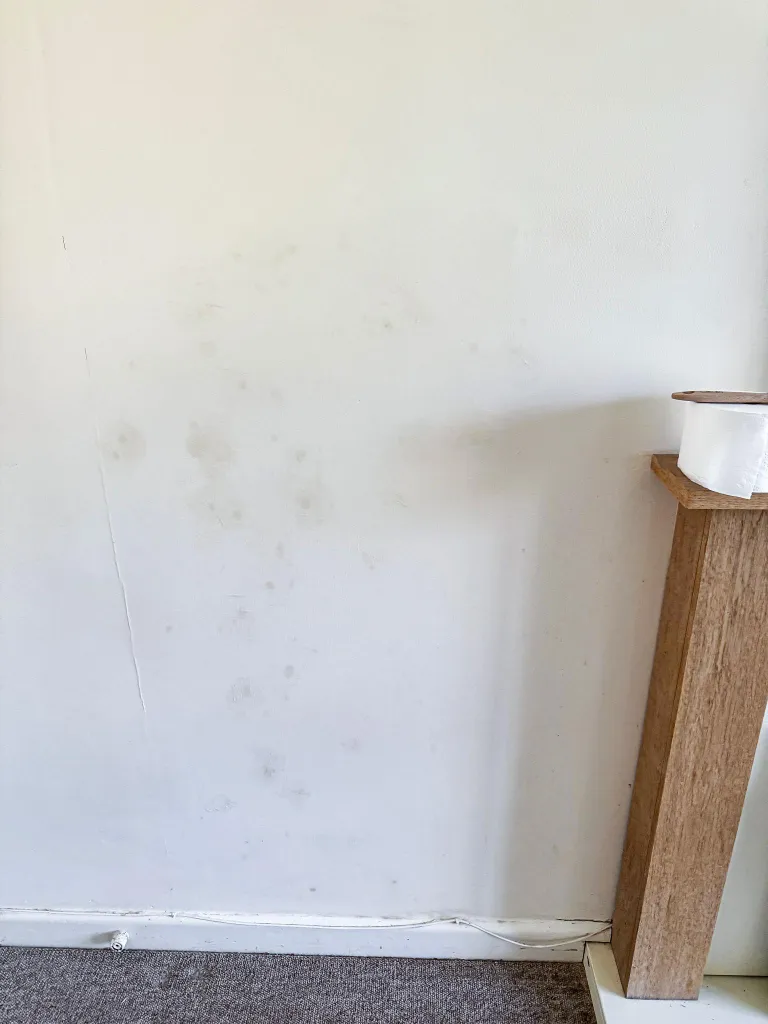
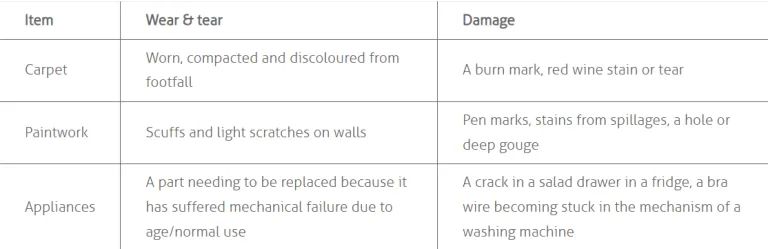
A property will naturally look different after you've lived in it for a year or two. Carpets become worn, paint gets marked and things show signs of normal use. That's fair wear and tear.
Fair wear and tear isn't the same as damage, and it must be taken into account when considering a deduction.
We'll look at what has changed, why it has changed, the age and condition of the item, and whether you're responsible for it.
Everyday marks and signs of use can be part of fair wear and tear.
What if the problem wasn't my fault?
Not everything that goes wrong in a property is the tenant's responsibility.
An appliance might stop working, there could be a leak, something might have been damaged before you moved in, or it may simply be normal wear and tear.
That's why we compare the condition of the property at the end of your tenancy with the inventory from the beginning.
If something goes wrong during your tenancy, tell us. Even if you're unsure whether it's your responsibility, it's better to ask than worry about it.
What if we think there should be a deduction?
Sometimes an inspection will identify something we believe you're responsible for. If that happens, we'll explain what we've found and what we're proposing to deduct.
You can respond and provide any information you think is relevant, such as:
- photographs from the beginning of your tenancy
- emails showing that you reported a problem
- evidence that something was already damaged
- proof that a repair was carried out during your tenancy
- any other relevant information
We'll consider the evidence before the repayment is finalised.
What does “fair” mean when it comes to deductions?
A deduction isn't simply about the cost of buying something new. We also have to look at the circumstances, including the age and condition of the original item.
Take a carpet that's been in the property for several years. If it's damaged during your tenancy, it wouldn't normally be fair to charge you the full cost of a brand-new replacement.
The same principle applies to furniture, decoration, appliances and other items.
You may hear this described as “betterment”: a landlord shouldn't be financially better off because something has had to be replaced following damage.
What if I don't agree with a deduction?
You don't have to accept a deduction simply because we've proposed it.
If you think we've got something wrong, or there's information we've missed, tell us why and provide any evidence you have. We'll look at it.
If, after considering the evidence, you think the deduction is reasonable, you can agree to it. If you don't, you have the opportunity to explain why.
If we can't reach an agreement, SafeDeposits Scotland provides a self-resolution process, giving both sides an opportunity to try to resolve the issue before it goes to independent adjudication.
If agreement still isn't possible, the dispute can move to SafeDeposits Scotland's independent dispute resolution process. Both sides can provide evidence, including:
- the original inventory
- the end-of-tenancy report
- photographs
- emails and other correspondence
- repair records
- invoices or other relevant documents
An independent adjudicator will consider the evidence and decide how the deposit should be divided.
Keep an eye out for correspondence from SafeDeposits Scotland
Moving can be hectic, so it's easy to miss an email or letter. If SafeDeposits Scotland contacts you, make sure you read it and respond within the timeframe they've given you.
If you agree with the proposed repayment, confirm it through SafeDeposits Scotland.
If you don't agree, follow the scheme's instructions and respond within the timeframe given. Don't leave it until the last minute.

You're a person before you're a tenant
We know that people come to the end of a tenancy with different experiences and expectations. You may have had a difficult experience with a previous landlord, or simply never known what happens when you hand back the keys.
An end-of-tenancy inspection isn't about looking for reasons to make deductions. It's about assessing the condition of the property fairly and comparing it with the inventory.
If we think something is your responsibility, we'll explain why and consider the inventory, condition, age and circumstances.
And if you don't agree, we'll listen.
We won't always agree with you, and you won't always agree with us. What matters is that you have a fair opportunity to explain your position and that the evidence is considered properly.
We're managing the property for our client, but that doesn't mean the tenant's experience doesn't matter. You deserve to be treated with respect, listened to and dealt with fairly.
Want to give yourself the best chance of getting your deposit back in full?
There are a few things you can do before handing back the keys that can make the process much easier.
In our upcoming tenant blog, we'll look at How to Avoid Deposit Deductions.
We'll cover the things that are easy to overlook when moving out, from cleaning and appliances to keys, furniture, gardens and those small jobs that can easily be forgotten.