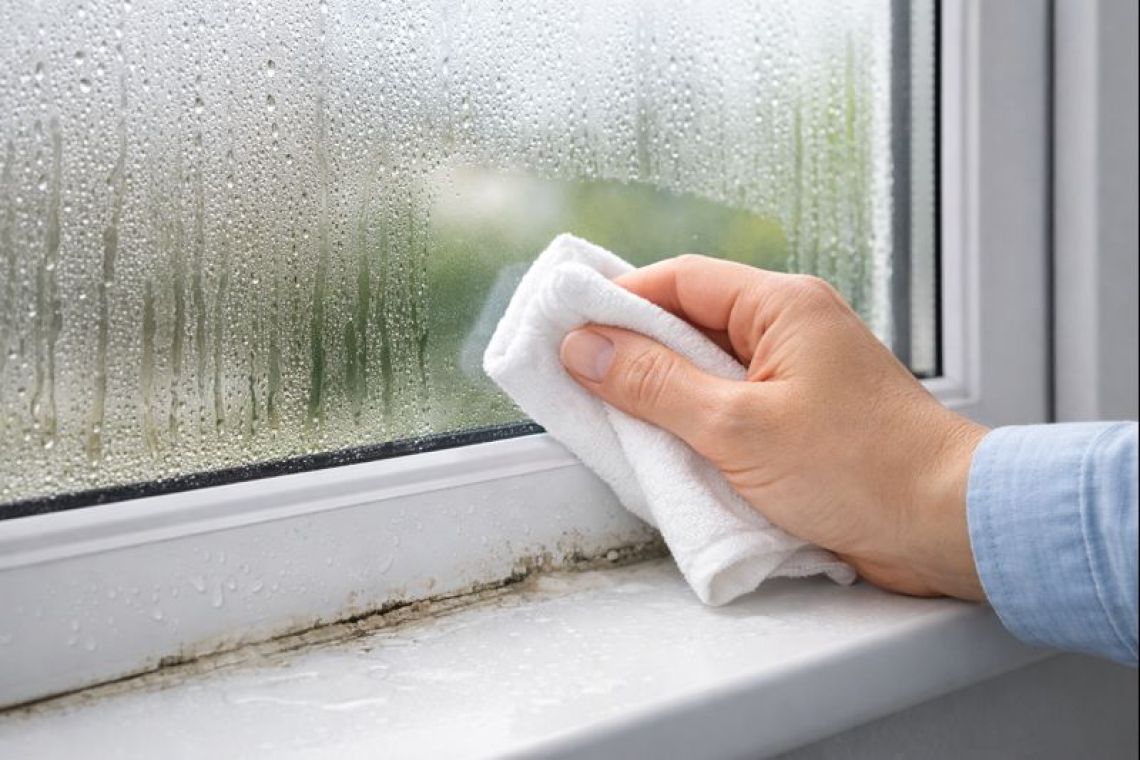

Awaab’s Law, named after two-year-old Awaab Ishak, who tragically died in 2020 following prolonged exposure to damp and mould in his home, represents a major shift in how housing standards are enforced.
While the law is already progressing through implementation in England, Scotland is taking its own legislative route, with similar aims but a distinct legal framework.
At its core, Awaab’s Law is designed to ensure that landlords respond quickly and decisively to serious housing hazards, particularly damp and mould, once they are reported or identified.
The law aims to:
- Prevent dangerous living conditions from being left unresolved
- Introduce clear, enforceable timescales for action
- Strengthen tenant protections
- Improve accountability for landlords
Unlike England, where Awaab’s Law is being introduced through amendments to existing legislation, Scotland is implementing Awaab’s Law through powers in the Housing (Scotland) legislation, supported by secondary regulations.
Importantly, the Scottish Government has indicated that the law is intended to apply to both social landlords and private landlords, rather than being limited to social housing alone.
While final timescales have not yet been confirmed, draft proposals and policy statements suggest the following indicative framework:
- Complete an investigation into the issue within 10 working days. The investigation must be carried out by a competent person - someone with the appropriate knowledge and experience to identify the cause of damp and mould, distinguish between building defects and lifestyle factors, and recommend appropriate remedial action. In more complex cases, this is likely to require specialist or professional input
- Following the completion of the investigation, the landlord must provide a written summary of the results of the investigation to the tenant within 3 working days.
- If the investigation concludes that work is required to ensure the property is free of damp/mould, that work must commence within 5 working days of the completion of the investigation.
- If a landlord is unable to adhere to these timescales, then they must set out in writing to the tenant the reasons why and the expected timescale in which they will comply.
- In instances where damp and/or mould is not a result of a building defect, landlords would be expected to work with tenants to signpost them to appropriate advice and guidance.
These timescales are proposed and indicative. Exact deadlines will only be confirmed once the regulations are approved by Parliament and come into force.
The Scottish Government has indicated that Awaab’s Law is intended to come into force during 2026. Some sector briefings suggest later in 2026 (e.g. autumn) as a more realistic operational start
The final commencement date will depend on parliamentary approval of the regulations, publication of statutory guidance and readiness across the housing sector.
Although some details are still emerging, the direction of travel is clear:
- Faster responses will be mandatory
- Damp and mould will be treated as serious health hazards
- “Managing” problems without fixing them will no longer be acceptable
How is 1Let preparing for Awaab’s Law?
At 1Let, we’re not waiting for Awaab’s Law to land before taking action. We’re already preparing landlords for what’s coming - calmly, proactively, and without panic.
That means reviewing and strengthening our damp and mould policies, so they reflect emerging legal expectations and best practice, not last year’s guidance.
It means tightening inspection and reporting processes, with particular attention to external walls and building fabric because problems rarely start where you can see them first.
We also work closely with trusted contractors to make sure they can meet shorter investigation and repair timescales, so issues are dealt with properly, not patched up and forgotten.
But compliance isn’t just paperwork - it’s people. We have open, honest conversations with tenants, set clear expectations, and carry out follow-up visits until the issue is fully resolved. No “we’ll keep an eye on it” emails. No loose ends.
By taking early action, 1Let helps landlords stay compliant, protect tenants’ health, and avoid rushed, reactive fixes once the regulations take effect. In short: less risk, fewer surprises, and a lot more peace of mind.
Because when the rules change, the best place to be is already ahead of them.